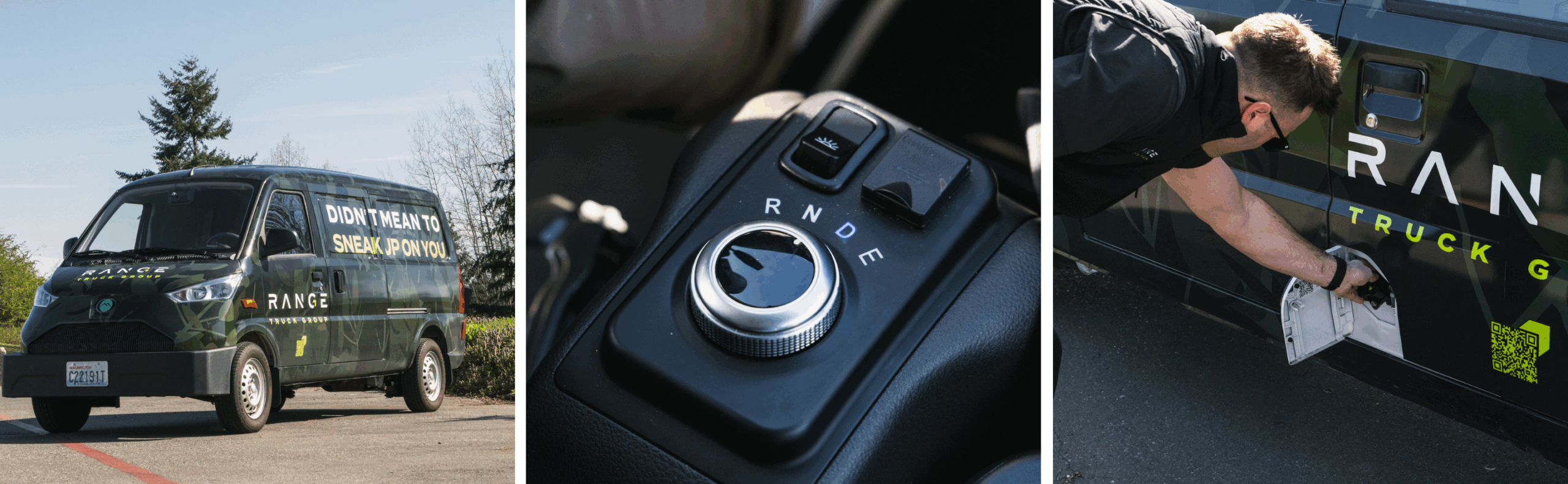

2026 Fleet Resolutions: Setting Your Electric Vehicle Transition Goals
New year, new opportunities. If you’ve been thinking about fleet electrification, 2026 is your year to turn those thoughts into action. Many fleet managers know that electric vehicles are the future, but the gap between knowing and doing can feel overwhelming.
Fleet planning 2026 requires more than good intentions. It needs a clear roadmap, realistic goals, and a practical timeline. The good news? You don’t have to flip your entire operation overnight. The best EV transition strategy starts small, learns fast, and scales smart.
Whether you manage two vehicles or two hundred, here’s how to set fleet electrification goals that actually work for your business.
Start With Your Current Fleet Reality
Before you set any goals, you need to understand where you are. Great fleet planning starts with honest assessment, not wishful thinking.
Take a look at your current fleet composition:
- What types of vehicles do you operate?
- How old are they?
- What’s their typical daily mileage?
- Which ones are costing you the most in fuel and maintenance?
- Do your vehicles start and end their day at the same location?
Next, identify which vehicles are due for replacement in the next one to three years. This is your natural opportunity window. Rather than forcing an early retirement of perfectly good trucks, plan your EV transition strategy around your normal replacement cycle. This approach saves money and reduces waste.
Here’s the key insight: not every vehicle needs to go electric immediately. Look for your “low-hanging fruit”—vehicles with predictable daily routes, lower mileage requirements, and high maintenance costs. A delivery van that drives the same 60-mile route five days a week? Perfect EV candidate. A truck that occasionally hauls equipment 300 miles to remote job sites? Maybe wait on that one.
Document your current total cost of ownership for each vehicle type. Track fuel costs, maintenance expenses, insurance, and depreciation. This baseline becomes your comparison point. When you add EVs to your fleet, you’ll have real numbers to measure success against.
This assessment creates the foundation of your fleet electrification roadmap. Without it, you’re just guessing.
Plan Charging Before You Need It
Something many fleet managers overlook during fleet planning 2026: infrastructure takes time. You can order an electric truck and have it in weeks. But upgrading your facility’s electrical system? That can take six to twelve months.
Start by calculating your actual charging requirements. How many vehicles will need to charge overnight? Will any need midday charging? Do you need basic Level 2 chargers for slow overnight charging, or faster DC chargers for quicker turnaround?
Next, assess your facility’s current electrical capacity. Many older buildings weren’t designed to handle multiple EV chargers running simultaneously. You might need transformer upgrades, new electrical panels, or additional circuits. These aren’t small projects.
Work with licensed electricians and your local utility company early in your planning process. Many utilities offer special rates for commercial EV charging and can help you understand your options. Some even provide technical assistance for charging infrastructure planning.
Here’s a smart tip: install capacity for about 150% of your initial EV fleet size. It costs less to add extra capacity during the initial installation than to do another electrical upgrade in two years when you’re ready to expand.
And don’t forget: the federal 30C tax credit is still available until June 30, 2026 and it covers up to 30% of charging infrastructure costs. Factor this into your budget planning, just like you did with vehicle purchase incentives.
Infrastructure delays are one of the top reasons fleet electrification plans stall. Don’t let charging be your bottleneck.
Your People Make or Break Your EV Transition Strategy
Technology is only half of fleet electrification. Your people are the other half, and often the more important half.
Start with your drivers. Many have concerns about range, charging, and whether EVs can handle their daily work. Address these concerns directly through education and hands-on experience. Explain how regenerative braking works. Show them how much simpler daily maintenance becomes. Let them actually drive an EV before it joins their route.
Your maintenance staff needs attention too. Some worry that EV repairs require completely new skills. The reality? Many maintenance tasks are actually simpler on EVs. There’s no engine oil to change, no complex transmission to service, and fewer moving parts to break. But your team does need some specific training on high-voltage safety and EV-specific systems.
As you start seeing success, champion those wins internally. Did a driver save 30 minutes per week on maintenance stops? Did a vehicle perform flawlessly through winter? Share these stories. Success breeds confidence for larger investments.
Measure What Matters
You can’t improve what you don’t measure. Set clear metrics for your fleet electrification roadmap from day one.
- Cost per mile: Track this for both your electric and traditional vehicles. This is your most important number. It tells you whether the transition is delivering the financial benefits you expected.
- Uptime and reliability: Monitor how often your EVs are available when you need them. Compare their reliability to your gas or diesel vehicles to see real-world performance differences.
- Charging efficiency and patterns: Pay attention to when and how you’re charging. Are you taking advantage of off-peak electricity rates? Is your infrastructure adequate or are vehicles waiting for chargers?
- Emissions reductions: If sustainability reporting matters to your company or your customers, track your environmental impact. Many fleet management systems can calculate this automatically.
- Driver satisfaction: Survey your drivers regularly. Are they satisfied with the EVs? What challenges are they encountering? What do they wish worked differently?
- Regular reviews: Check your data quarterly and make minor adjustments as needed. Once per year, do a comprehensive review and adjust your multi-year plan based on what you’ve learned.
- Stay flexible: Be willing to pivot. Maybe a vehicle type isn’t performing as expected. Maybe a different charging strategy would work better. The beauty of a phased approach is that you can make these corrections before you’ve committed your entire fleet.
- Document lessons learned: Write down everything you discover. These lessons make your Phase 2 and Phase 3 deployments smoother, faster, and more successful.
Your 2026 Roadmap Starts Today
Fleet planning 2026 doesn’t have to feel overwhelming when you break it into manageable steps. Start with an honest assessment of where you are. Build a phased EV transition strategy that matches your replacement cycles and budget. Plan your charging infrastructure early. Calculate total cost of ownership honestly. Bring your people along through education and involvement. And measure your progress so you can learn and improve.
Your fleet electrification roadmap is a marathon, not a sprint. The companies succeeding with EVs today didn’t flip a switch overnight. They started small, learned from real-world experience, and scaled based on proven results.
The tax incentives are in place. The technology is proven. The cost savings are real. Now it’s about building a plan that works for your specific operation.
Explore Range’s Commercial EV Solutions:
Ready to turn your 2026 fleet resolutions into reality? Range specializes in helping fleet managers build customized fleet electrification roadmaps that match your timeline, budget, and operational needs. Whether you’re ready to start with one vehicle or planning a larger transition, we can help you find the right path forward. Let’s talk about your goals and create a strategy that works for your business. Browse our lineup and connect with our team to discuss your specific needs:
- Range’s Electric Semi Trucks Long-haul and regional solutions
- Range’s Last-Mile & Delivery Vehicles Perfect for solopreneurs and delivery fleets
- Range’s Work & Utility Trucks Service trucks for contractors and tradespeople
- Range’s Two Wheel EVs Two-wheel EVs built for work, patrol, delivery
Unsure where to start? No fleet is too small to make the switch. Let’s find the right starting point for yours.:
- Contact Our Team Get personalized guidance for your fleet
- Subscribe for Updates EV news, industry analysis, and product updates