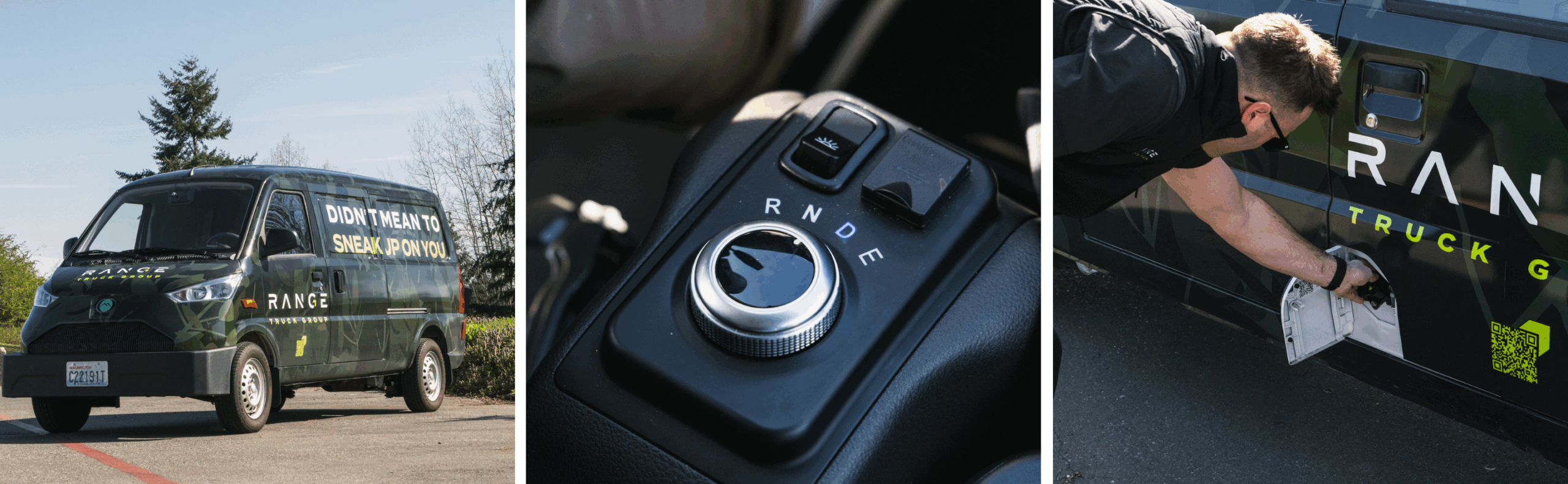

Test Drive Your Fleet’s Future: How EV Rentals Reduce Risk for Fleet Managers
The biggest barrier to fleet electrification isn’t the cost. It isn’t the technology either. It’s uncertainty.
- Will electric vehicles really work for your specific routes?
- Will your drivers adapt to them?
- What happens to range and performance during tough winters?
These are real questions that keep fleet managers from moving forward, and reading reviews or studying spec sheets only goes so far.
This is where EV rentals are changing the fleet game, because nothing replaces real-world testing in your actual operation. Instead of making a major purchase based on guesswork, you can test EVs with your own drivers, on your own routes, in your own climate.
The Real Cost of Getting It Wrong
Making fleet purchase decisions has always been high stakes. Buy the wrong truck and you’re stuck with it for five to seven years. With electric vehicles, those stakes can feel even higher because the technology is newer to most commercial operations.
These concerns are legitimate business risks that deserve serious consideration.
Most fleet managers face these questions with limited real-world experience to guide them. They’re forced to make decisions based on theory, manufacturer promises, and best-case scenarios. That’s not a comfortable position when you’re responsible for keeping a business running smoothly.
There’s a better approach. Test electric vehicles in real conditions before making long-term commitments. That’s exactly what EV testing through rental programs allows you to do.
Test EVs in Your Actual Operation
An electric vehicle pilot program is pretty straightforward. You rent one or more EVs for a set period, typically three to six months. During that time, you use them exactly like you would any other vehicle in your fleet. Real routes. Real drivers. Real weather. Real loads.
This hands-on experience answers questions that no brochure or sales pitch can address.
You’ll learn your actual daily range requirements versus the estimates. You’ll discover real charging patterns and figure out what timing works best for your operation. You’ll hear honest feedback from your drivers about what they like and what concerns them. You’ll see firsthand how maintenance works and what it actually involves.
You’ll also find route optimization opportunities you didn’t expect. Maybe certain routes are perfect for EVs while others need more planning. Maybe your charging infrastructure needs minor adjustments, or maybe it’s fine as is.
The key difference between pilot programs and traditional purchasing is simple: data instead of guesses. You’re not relying on what should work in theory. You’re testing with real loads, real traffic, real weather, and real people. This experience eliminates the biggest unknowns before you commit serious money.
There’s another benefit too. When drivers experience EVs firsthand, many become advocates. They discover the instant acceleration, the quiet ride, the convenience of never stopping for gas. These internal champions make fleet-wide adoption much easier later.
Prove ROI Before You Commit
The traditional approach to fleet purchasing goes like this: analyze projections, make your best guess, buy vehicles, and hope you got it right. Electric vehicle pilot programs flip that model completely.
Instead of hoping, you collect real data and make informed decisions. During your EV testing period, you can measure exactly what matters to your operation.
Track your actual cost per mile. Calculate real fuel savings compared to what you’re spending now on gas or diesel. Document actual charging costs and when charging happens. Record true maintenance requirements as they occur. Monitor any impacts on driver productivity, whether positive or negative. Measure vehicle uptime and reliability against your current fleet.
This data answers the toughest questions your CFO will ask, and you’re answering with facts instead of theory. No more buyer’s remorse. No more second-guessing major purchases. You build confidence for your larger fleet electrification strategy based on proven performance in your specific operation.
Here’s what makes this truly valuable: if EVs don’t work well for certain routes or applications, you discover this while the financial risk is still low. You can adjust your strategy accordingly. But if they exceed your expectations—and they often do—you have concrete proof to justify expanding your EV fleet.
A risk-free EV transition means testing your assumptions before betting big. It means making decisions based on your reality, not someone else’s success story.
Turn Skeptics Into Champions
One of the biggest hidden barriers to EV adoption isn’t technical. It’s human. Driver resistance can quietly kill even the best fleet electrification plans.
Many experienced drivers are skeptical about electric vehicles. They’ve driven gas or diesel trucks their whole careers. They’ve heard stories about limited range, long charging times, and complicated new technology. Some worry EVs won’t handle the demands of real work.
Electric vehicle pilot programs change minds through experience, not arguments. Instead of trying to convince drivers that EVs are good, you let them discover the benefits themselves.
Most drivers are pleasantly surprised. They notice the instant acceleration that makes merging and passing easier. They appreciate the quieter, more comfortable ride that reduces fatigue on long days. They realize they’re not stopping at gas stations anymore—they just plug in at night and start each day with a full charge. They spend less time dealing with oil changes and routine maintenance.
During your pilot program, actively collect driver feedback. What do they like? What concerns them? What would make the experience better? Address concerns early while the stakes are still low.
When pilots go well, something interesting happens. Drivers who were initially skeptical become your strongest advocates. They tell their coworkers that EVs actually work great. They share stories about what surprised them. This peer-to-peer endorsement is worth more than any management memo.
When you’re ready to purchase EVs for your fleet, you already have buy-in from the people who matter most—the ones who’ll be driving them every day.
Scaling Based on Real Results
When your electric vehicle pilot program goes well, the path forward becomes clear. You move from testing to purchasing with confidence because you have real data supporting your decisions.
Use everything you learned during the pilot to refine your fleet electrification strategy. Which vehicle types performed best for which routes? What’s your optimal charging strategy based on actual patterns? What infrastructure upgrades do you really need versus what you thought you’d need? Which drivers adapted most quickly and might be best for early fleet-wide adoption?
The confidence that comes from successful pilot programs can’t be overstated. You’re not hoping EVs will work. You know they will because you’ve already proven it.
You don’t have to guess whether electric vehicles will work for your fleet. Collect real data from your actual operation. Smart fleet managers are testing first. They’re eliminating uncertainty before making major investments. They’re proving ROI to skeptical CFOs with real numbers from real routes. They’re turning driver skeptics into EV champions through hands-on experience.
Your fleet electrification strategy doesn’t have to be a leap of faith. It can be a series of informed, confident steps based on what you’ve learned works in your specific situation.
Explore Range’s Commercial EV Solutions:
Ready to start your risk-free EV transition? Range offers flexible EV rental programs designed specifically for fleet managers who want to test before committing. Try electric vehicles in your actual operation, with your real routes and real drivers. We’ll help you design a pilot program that answers your specific questions and gives you the data you need to make smart decisions.
Let’s take the guesswork out of fleet electrification. Browse our lineup and connect with our team to discuss your specific needs:
- Range’s Electric Semi Trucks Long-haul and regional solutions
- Range’s Last-Mile & Delivery Vehicles Perfect for solopreneurs and delivery fleets
- Range’s Work & Utility Trucks Service trucks for contractors and tradespeople
- Range’s Two Wheel EVs Two-wheel EVs built for work, patrol, delivery
Unsure where to start? No fleet is too small to make the switch. Let’s find the right starting point for yours.:
- Contact Our Team Get personalized guidance for your fleet
- Subscribe for Updates EV news, industry analysis, and product updates